

Introducing Lunera
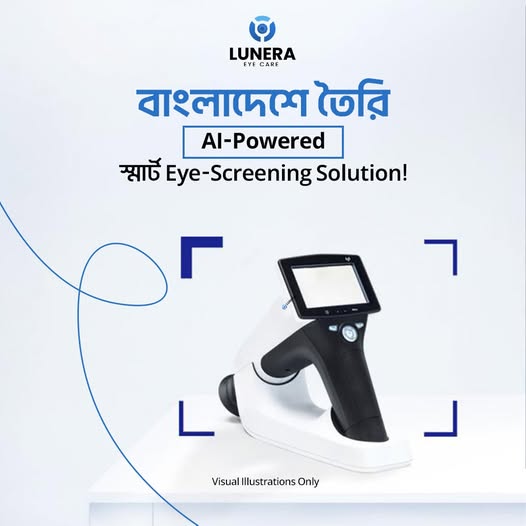
Bangladesh’s First AI-Powered Portable Eye Screening Solution
Lunera is not just another medical device; it is a revolution in eye care.
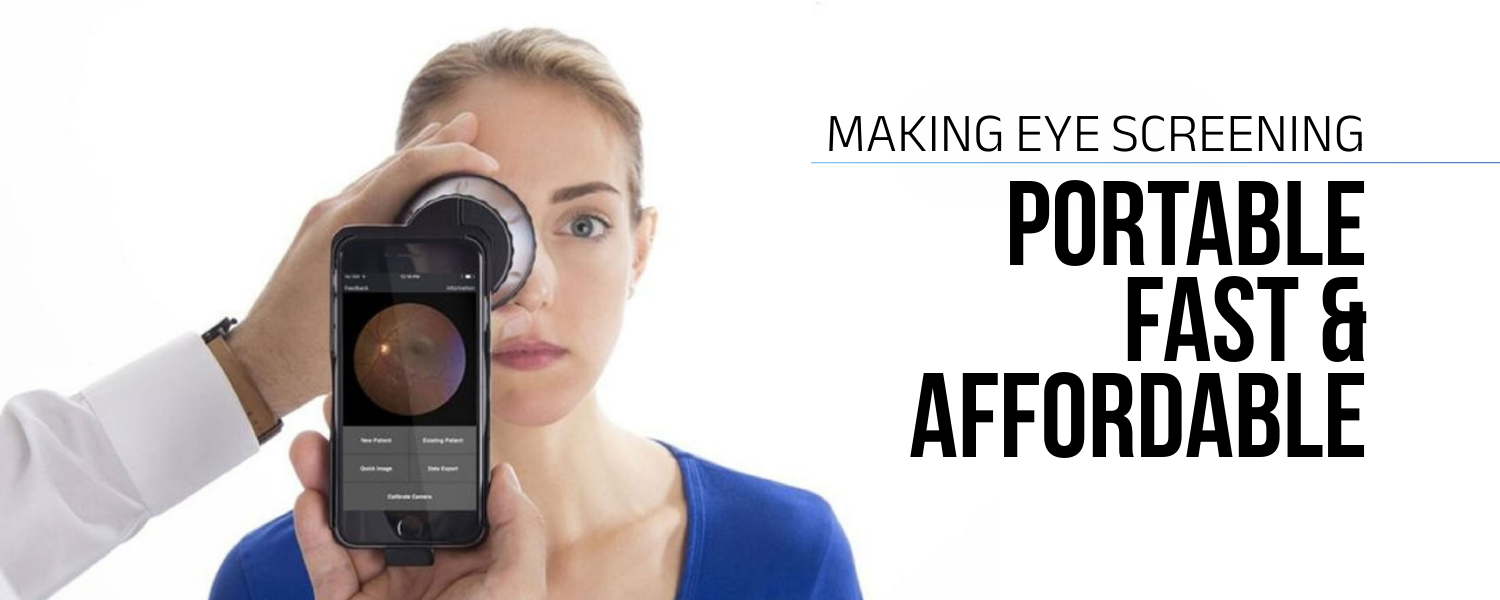
With smartphone-based retinal imaging, deep learning, and a cloud-powered backend, Lunera delivers instant, reliable results in seconds. Unlike traditional scanners, it requires minimal training, works in low-resource settings, and is designed to be economically accessible.
Fact :
- For doctors, it means faster, wider screening coverage.
- For patients, it means early detection before it’s too late.
- For Bangladesh, it means a future where blindness from DR can be prevented, not endured.
Why Lunera?
Because Every Eye Deserves Protection
Fact :
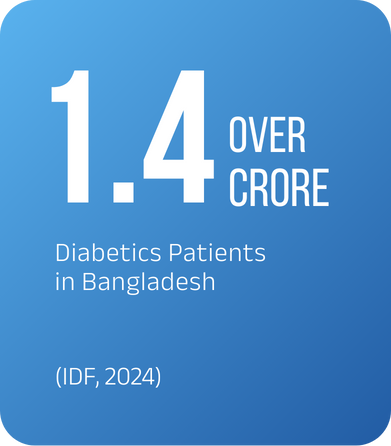
- Over 1.4 Crore diabetics in Bangladesh (IDF, 2024)
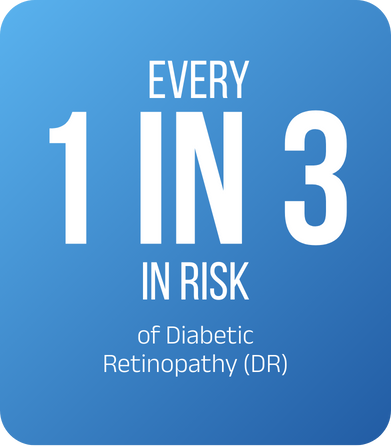
- 1 in 3 risk of Diabetic Retinopathy (DR)
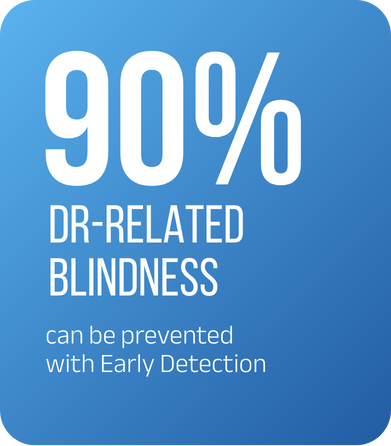
- 90% of DR-related blindness can be prevented with early detection
Diabetic Retinopathy (DR) is a silent epidemic in Bangladesh. With over 14 million people living with diabetes, studies show that 1 in 3 is at risk of developing DR. If left undiagnosed, this condition can cause irreversible blindness.
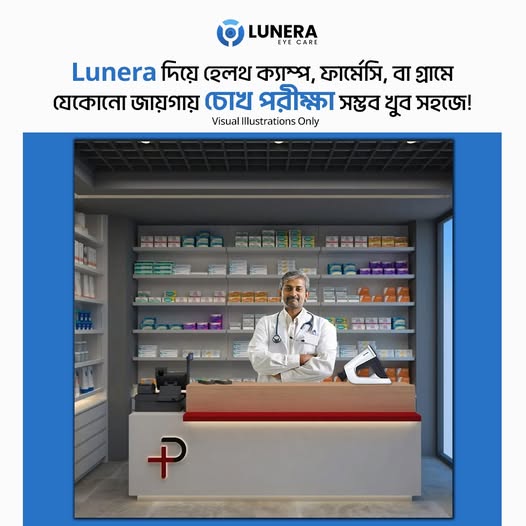
By making eye screening portable, fast, and affordable, Lunera ensures that no diabetic patient is left behind. Whether in a pharmacy in Dhaka or a health camp in Rangpur, Lunera brings prevention within reach.

About Us
Lunera is Bangladesh’s first portable, AI-powered eye-screening device, designed to make early detection of vision-threatening diseases simple, accessible, and affordable for all. Built for low-resource environments — yet powered by cutting-edge deep learning —Lunera enables healthcare providers across the country to screen for Diabetic Retinopathy (DR) and other retinal conditions in seconds, without the need for traditional bulky equipment or specialist interpretation.
Lunera was created with a simple but urgent goal: to stop preventable blindness in our country. We saw a reality where millions go blind due to late diagnosis and lack of screening infrastructure. Instead of waiting for imported, expensive tools, we built a solution from the ground up - locally developed, globally validated, nationally needed. Our team of innovators, researchers, and clinicians designed Lunera to fit seamlessly into pharmacies, rural clinics, and hospitals alike.
Our Mission: A Clearer Future for Bangladesh
We are a team of innovators, researchers, and clinicians dedicated to ending preventable blindness in our nation. We believe that everyone deserves access to quality eye care, regardless of their location or income.
Our Vision: 0% patients of preventable eye disease
A future where no Bangladeshi loses vision needlessly — where early screening becomes a national standard, and Lunera plays a pivotal role in reshaping how healthcare reaches the people.
How It Works
4 steps
Seconds to results
Zero complexity
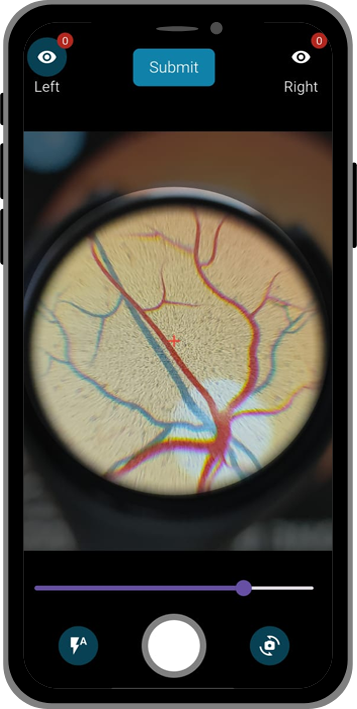
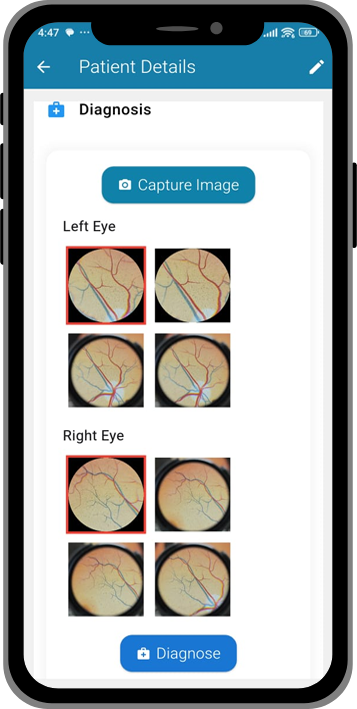
1. Capture
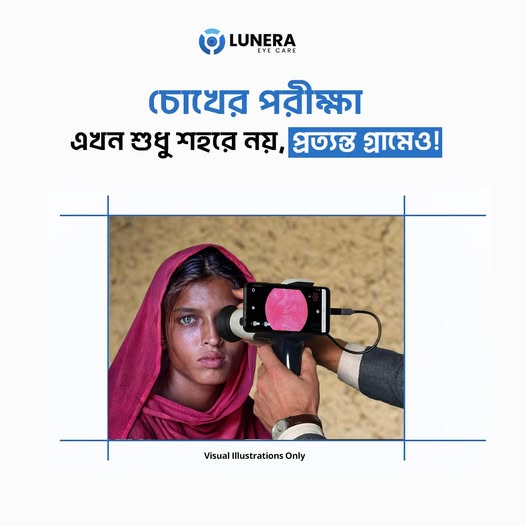
A healthcare worker attaches Lunera to a smartphone and takes retinal images.
2. Analyze
Lunera’s AI model scans the images for signs of DR & other retinal conditions.
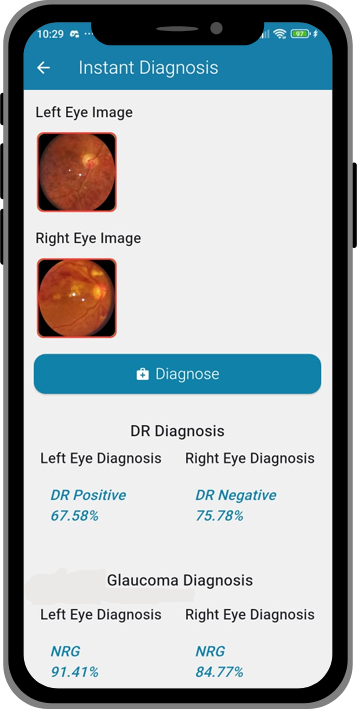
3. Report
Instant results appear on the app, stored securely for doctors & patients.
4. Act
Doctors or caregivers can start early treatment or referrals immediately.
Benefits of Lunera
Early Detection = Saved Vision
Prevent blindness before it starts.
Affordable & Scalable
Costs a fraction of traditional methods.
Portable
Works in hospitals, health camps, pharmacies, or rural areas.
Minimal Training Needed
Any healthcare worker can operate it.
Fast Results
Screening report generated in seconds.
Services
Testimonials
“For the first time, I can screen patients in rural camps without sending them to Dhaka. Lunera is a blessing.”
— Dr. Saiful Islam, Opthalmologist,Islamia Eye Hospital,Dhaka.
“I never knew I had early-stage DR. Lunera gave me answers in seconds — it probably saved my sight.”
— Farida Begum, 52, Type-2 Diabetic Patient, Rajshahi
“As a pharmacist, I never thought I could offer eye screening. With Lunera, I can help my community to detect problems early.”
— Hasan Ali, Pharmacist, Cumilla
Contact Us
You can e-mail or call us
hello@luneraeyecare.com Ph: +8801632904249 (WhatsApp)
FAQs
Q1: What is Diabetic Retinopathy (DR)?
A: DR is an eye disease caused by damage to the retina’s blood vessels due to diabetes. It starts without symptoms but can lead to permanent blindness if untreated.
Q2: Who can use Lunera?
A: Lunera is designed for doctors, pharmacists, health workers, and even rural health volunteers with minimal training.
Q3: How accurate is Lunera?
A: Lunera’s AI has been validated on global datasets and achieved a 92.3% accuracy score, placing it among the top-performing DR detection methods.
Q4: Does Lunera work offline?
A: Yes, the device captures images and the resident AI engine analyze retinal images offline, it only needs internet connction for authentication. Reports are available instantly and can be sent with internet access.
Q5: How much does Lunera cost?
A: Lunera is significantly more affordable than traditional retinal scanners, making mass adoption across Bangladesh feasible.